

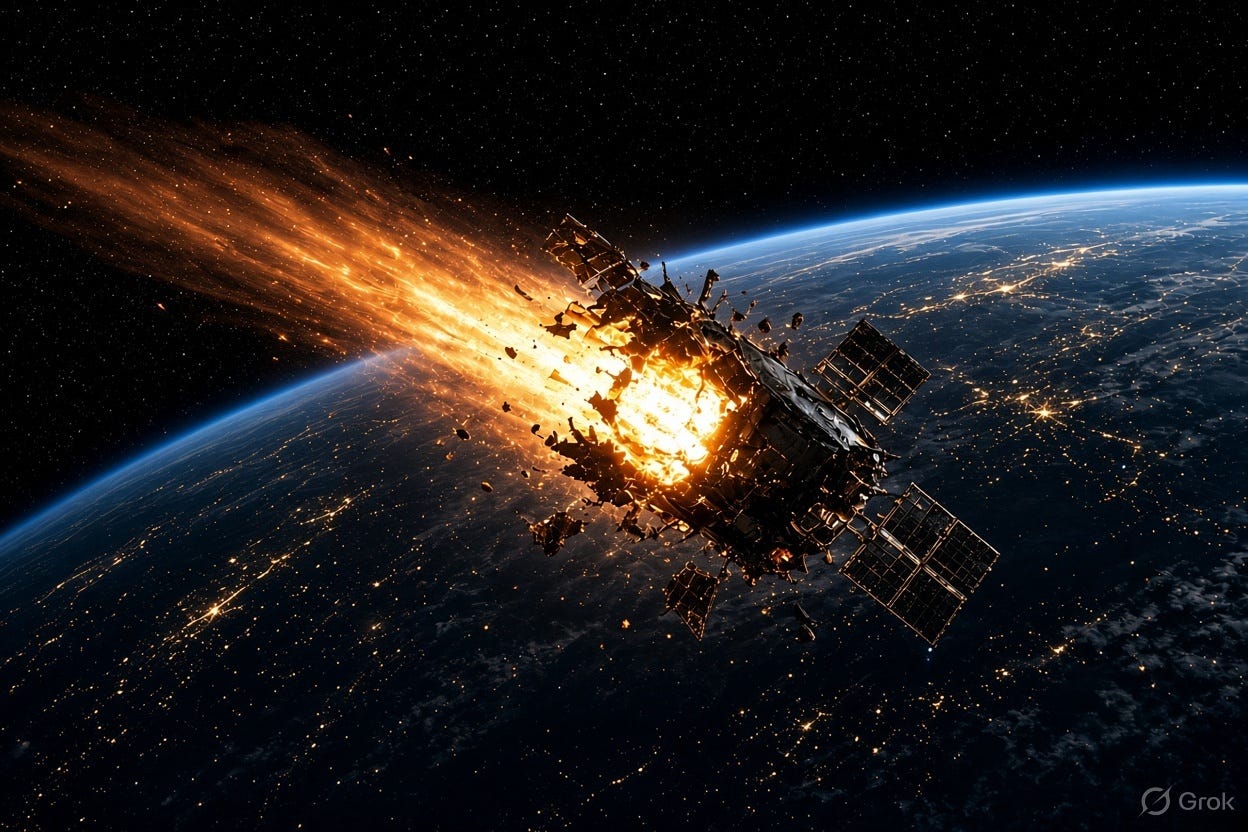
Space has long been treated as a sanctuary, a quiet high ground where satellites drifted in predictable paths and provided services that modern life and modern militaries quietly came to depend upon. That comfortable assumption is ending. As activity pushes beyond geostationary orbit into the vast and poorly watched volume between Earth and the Moon, a colder logic is taking hold. The ability to deny an adversary the use of space is moving from theoretical contingency to active planning factor. Space denial, once a specialized phrase in doctrine manuals, is becoming central to how nations think about deterrence and about the possibility of conflict that reaches into cislunar space.
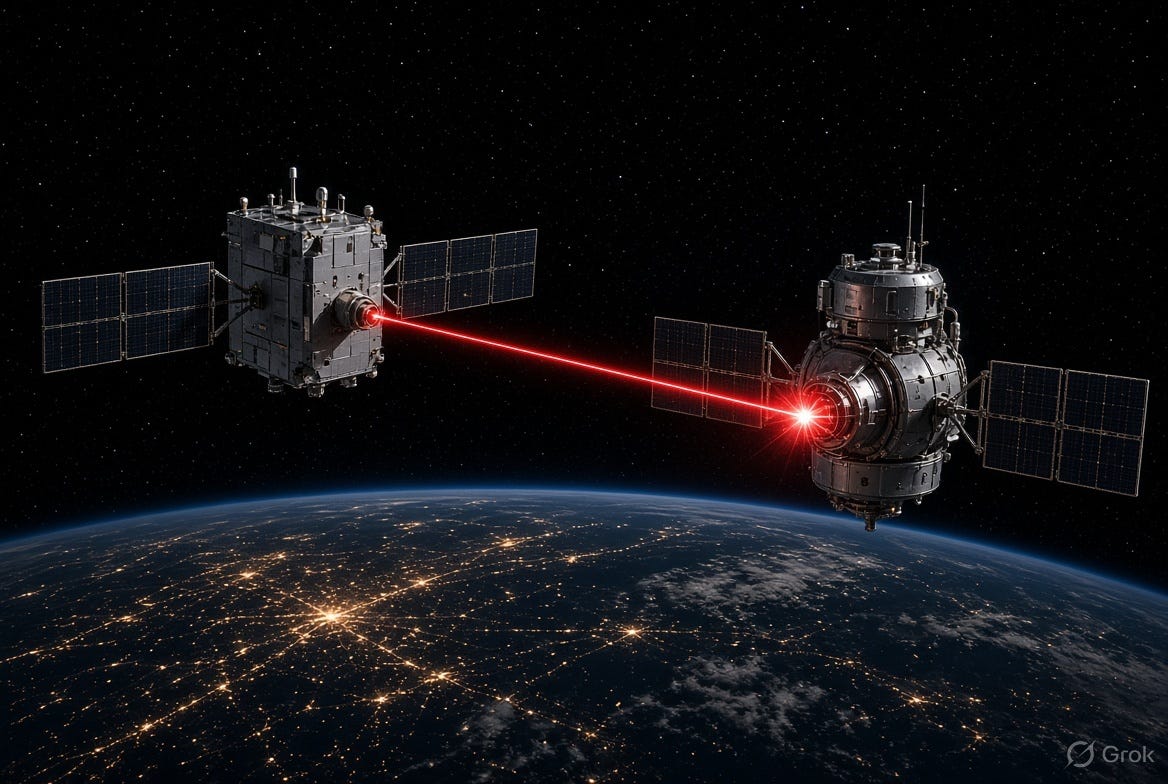
At its core, space denial is the capacity to prevent an opponent from freely using the space domain or the systems that operate within it. It can be temporary or lasting, reversible or permanent, subtle or overt. Jamming a communications link, spoofing a navigation signal, dazzling a sensor with a laser, executing a cyber intrusion that blinds a constellation, or, in the extreme, physically destroying a satellite all fall under the concept. The goal is not always destruction. Often it is simply to make the adversary’s space-enabled advantages unreliable at the moment they are most needed. In an age when precision strike, global communications, intelligence collection, and even basic battlefield awareness lean heavily on orbital assets, the mere credible threat of denial carries weight.
Deterrence has always rested on two complementary ideas: the ability to impose costs and the ability to deny benefits. Nuclear deterrence emphasized the former with unmistakable clarity. Space deterrence leans more heavily on the latter. If an adversary believes that initiating conflict will result in the rapid loss of the space services that make its forces effective, the calculated value of aggression drops. Space denial capabilities, whether demonstrated, hinted at, or simply known to exist, reinforce that calculation. They raise the risk that any terrestrial fight will be accompanied by a sudden and painful degradation of the orbital infrastructure both sides have grown accustomed to using. The logic is ancient even if the medium is new: make the prize less attractive by making it harder to keep.
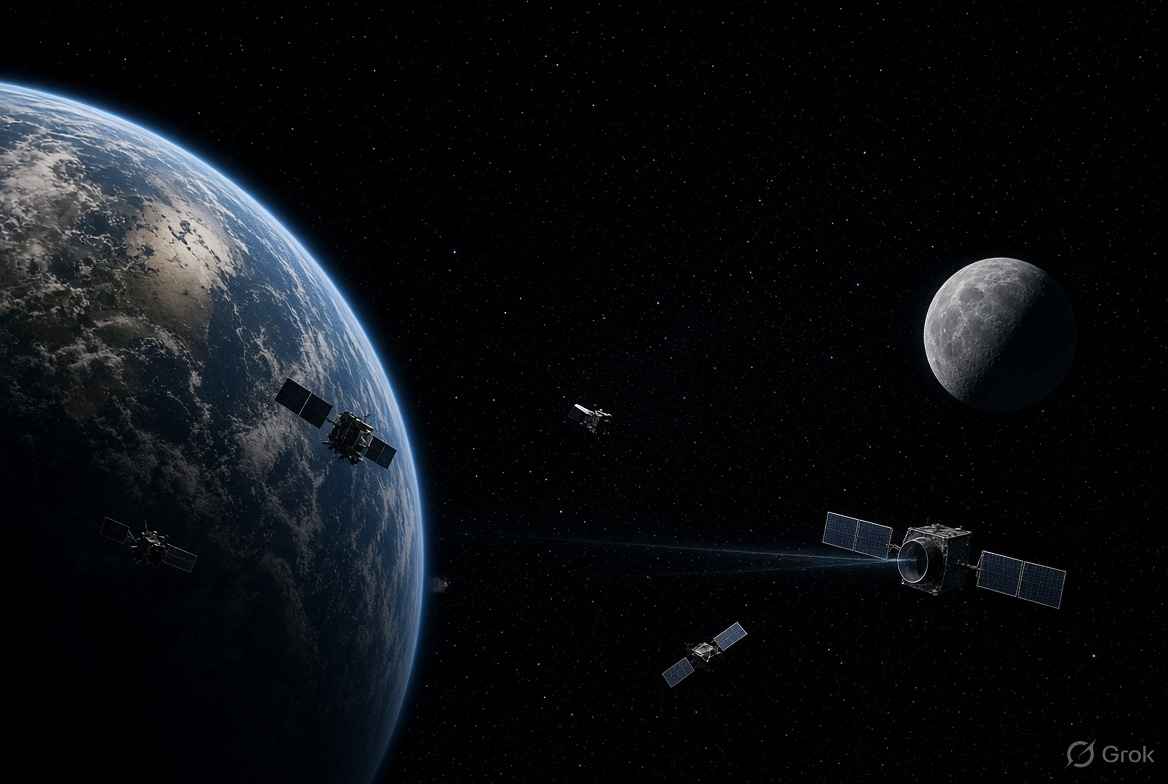
Cislunar space complicates this picture in interesting and uncomfortable ways. The region stretching from beyond geostationary orbit out to the Moon and its environs is enormous, dynamic, and still thinly observed. Orbital mechanics there are governed by the competing gravitational pulls of Earth and Moon, creating trajectories that can be far less predictable than the tidy belts closer to home. Objects can loiter in certain regimes, use the Moon’s gravity for energy-efficient maneuvers, or exploit the sheer volume to remain difficult to track continuously. Domain awareness, the foundation of any serious space control effort, is far less mature here than in low Earth orbit or geostationary arc. Sensors optimized for closer regimes struggle with the distances and the lighting conditions. Cataloguing and maintaining custody of objects becomes a harder problem.
These characteristics create both opportunity and risk for denial strategies. An actor that can operate effectively in cislunar space might place assets in positions that are difficult to monitor or to engage quickly. Conversely, the same vastness makes it harder to guarantee denial across the entire volume. Choke points of a sort do exist—efficient transfer trajectories, useful libration-point regions, approaches to the lunar surface—but they are not as sharply defined as terrestrial straits. Warfare, or even sustained competition, in this domain would likely emphasize persistence, mobility, and the ability to hold key nodes or pathways at risk rather than the dense, rapid engagements imagined for lower orbits.
The relevance to deterrence follows directly. As nations develop the capacity to reach, sense, and potentially act in cislunar space, they also develop the means to threaten an opponent’s access to it. A credible ability to disrupt or degrade systems operating between Earth and the Moon, or to contest the approaches to the lunar surface itself, becomes another layer in the broader deterrent posture. It signals that the high ground is no longer uncontested and that advantages derived from cislunar operations cannot be taken for granted. At the same time, the difficulty of attribution, the risk of debris, and the potential for rapid escalation impose natural restraints. Denial capabilities that are too easy to use or too difficult to control could undermine stability rather than reinforce it.
What makes the present moment distinctive is the convergence of commercial expansion and military attention. Cargo landers, surface infrastructure concepts, and scientific missions are beginning to populate the Earth-Moon system with real hardware and real economic stakes. At the same time, defense establishments are openly discussing the need to prepare for operations across the same volume. Space denial sits at the intersection of these trends. It is the reminder that the systems enabling commerce, exploration, and national power in cislunar space can also become points of leverage or targets in a crisis. The quiet sanctuary is giving way to a domain that must be actively secured, monitored, and, if necessary, contested. How nations develop, signal, and restrain the tools of denial will shape whether that domain remains a frontier of competition or becomes something more dangerous.
Another great piece about a rapidly emerging geopolitical issue.