

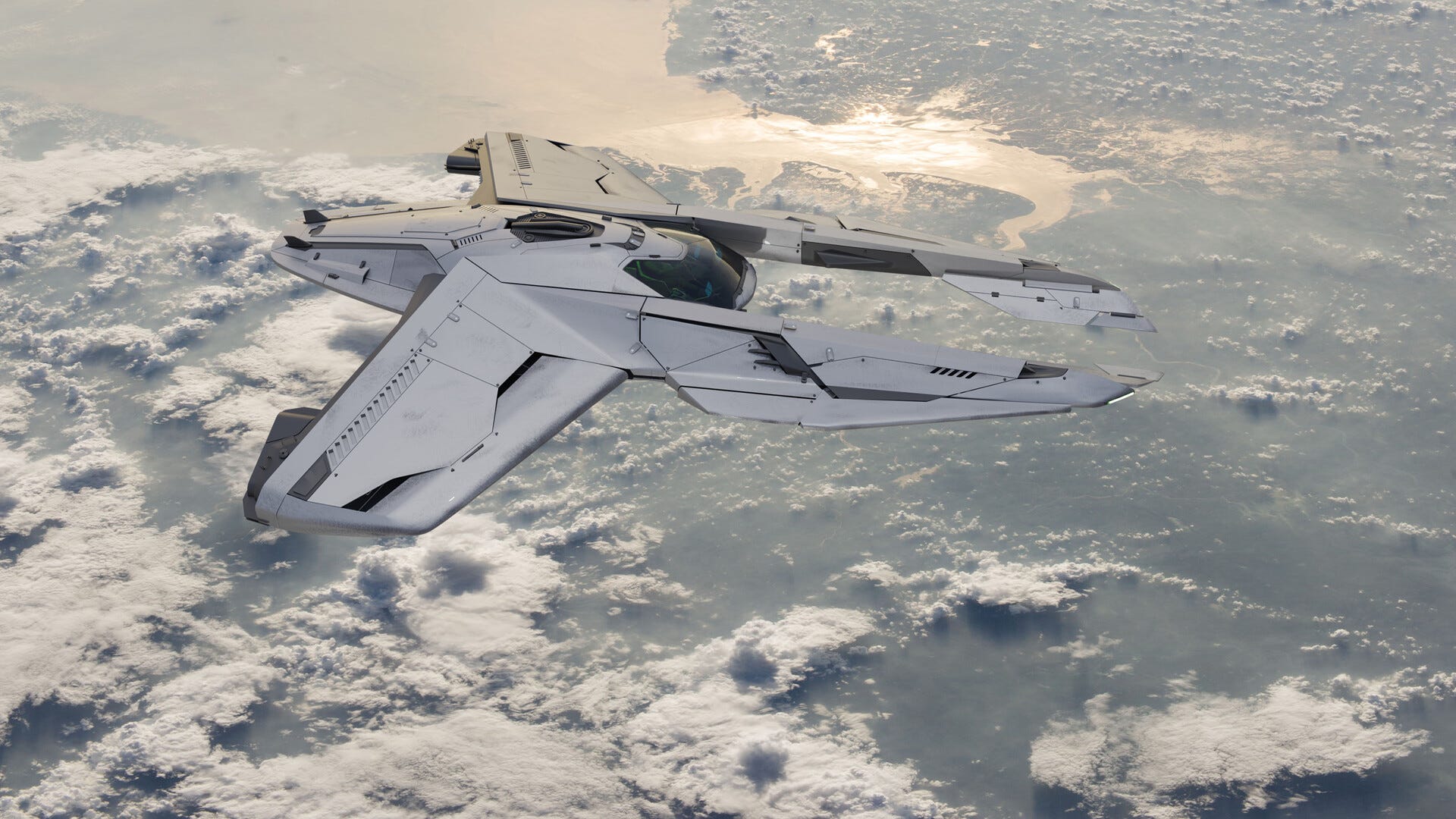
For the ultra-wealthy, the definition of an extravagant toy is undergoing a radical shift. The superyachts that once symbolised peak global affluence are gradually being eclipsed by a new ambition. The next playground for billionaires is not the Mediterranean or the Caribbean, but the cosmos. As the barriers to orbit crumble, the concept of the personal spacecraft is transitioning from science fiction into a highly anticipated market reality, promising to grant private individuals unprecedented freedom across the solar system.
The Architecture of Private Spaceflight
To understand how a billionaire might soon own a personal vehicle capable of reaching orbit, one must look at the shifting physics and economics of propulsion. The most immediate path forward lies in the evolution of fully reusable, rapid-turnaround chemical rockets. Megaconstellations and mass-produced heavy-lift vehicles are already driving the cost per kilogram to orbit down by orders of magnitude. A private owner in the near future will likely command a downsized, highly automated variant of these reusable architectures, capable of vertical takeoff and landing directly from private estates or dedicated spaceports.
Beyond traditional chemical rockets, the spaceplane represents the pinnacle of atmospheric and orbital elegance. Blending the luxury of a private supersonic jet with the capabilities of a spacecraft, spaceplanes offer a smoother, low-G ascent and horizontal landing on conventional runways. For the truly avant-garde enthusiast, the future may hold beam-powered propulsion. In this scenario, a massive ground-based or orbit-based laser array focuses energy onto the underside of the personal craft, heating a propellant or driving a light sail. This leaves the heavy lifting of the power source on Earth, allowing the personal spacecraft to be sleek, lightweight, and immensely fast.
Navigating the Deep Cosmos
While short, suborbital hops and brief orbital stays currently satisfy today’s space tourists, the personal spacecraft of tomorrow will be built for true exploration. These vehicles will not necessarily need to trek across the vast emptiness of the solar system entirely on their own fuel. Instead, the ultra-wealthy will utilise their personal craft as runabouts or tenders.
A billionaire might board their personal spacecraft on Earth, launch into low Earth orbit, and rendezvous with a massive, luxurious interplanetary ferry. These colossal liners, equipped with artificial gravity sectors, advanced radiation shielding, and fusion or nuclear thermal propulsion, will act as the mega-cruise ships of the deep solar system. The personal spacecraft will dock inside a hangar bay for the long transit to Mars or the outer planets. Upon arrival, the owner can un-dock their personal vehicle to descend to a planetary surface or explore a moon independently.
Destinations of the Extreme Elite
Where will these celestial explorers go? The initial wave of destinations will naturally cluster around Earth and the Moon. Orbital mega-hotels, featuring zero-gravity athletic tracks, Michelin-starred synthetic dining, and floor-to-ceiling views of the blue planet, will serve as the weekend getaways. Further out, the Moon will host exclusive luxury outposts tucked into lava tubes or perched on the rims of perpetually sunlit craters, offering low-gravity golf and pristine views of the stars.
For the more adventurous, the horizon extends much further. As industrial cities establish themselves on Mars, private estates and exclusive corporate enclaves will emerge along the red canyons of Valles Marineris. Others may seek the ultimate architectural marvel: floating cloud cities suspended fifty kilometres above the scorched surface of Venus. In this temperate band of the Venusian atmosphere, the pressure and temperature match Earth, allowing billionaires to relax on enclosed observation decks amidst a sea of acidic clouds. For the ultimate journey, private expeditions could venture into the orbits of Jupiter and Saturn, navigating the icy plumes of Enceladus or observing the majestic rings from the comfort of a private lounge.
The Economics of Cosmic Autonomy
The transition from renting a seat on a government or corporate flight to outright ownership is fundamentally an economic one. Just as the democratization of aviation led to the private jet market, the scaling of space manufacturing is democratizing orbital access. The mass production of carbon-composite hulls, 3D-printed aerospike engines, and standardized avionics suites is slashing capital costs.
Billionaires who currently pay tens of millions of dollars for a few days in space will find that purchasing an entire vehicle becomes a justifiable asset expenditure. The infrastructure to support these vehicles, from automated orbital refueling depots to private space traffic control networks, is already being conceptualized. What was once the exclusive domain of global superpowers is fast becoming the ultimate statement of personal autonomy and luxury, transforming the night sky into a map of private destinations.