

Building a highway usually involves orange traffic cones, disgruntled drivers, and years of bureaucratic delays. However, Space Mobility is taking the concept of a long commute to a whole new level by planning Route 1 on the moon. Through their novelty project at MoonRoads.com, you can now symbolically adopt a single linear inch of this lunar highway for one hundred dollars. While your square inch of lunar asphalt won’t come with a parking spot or a custom license plate, it does secure you a commemorative certificate and the ultimate cosmic bragging rights at your next dinner party.
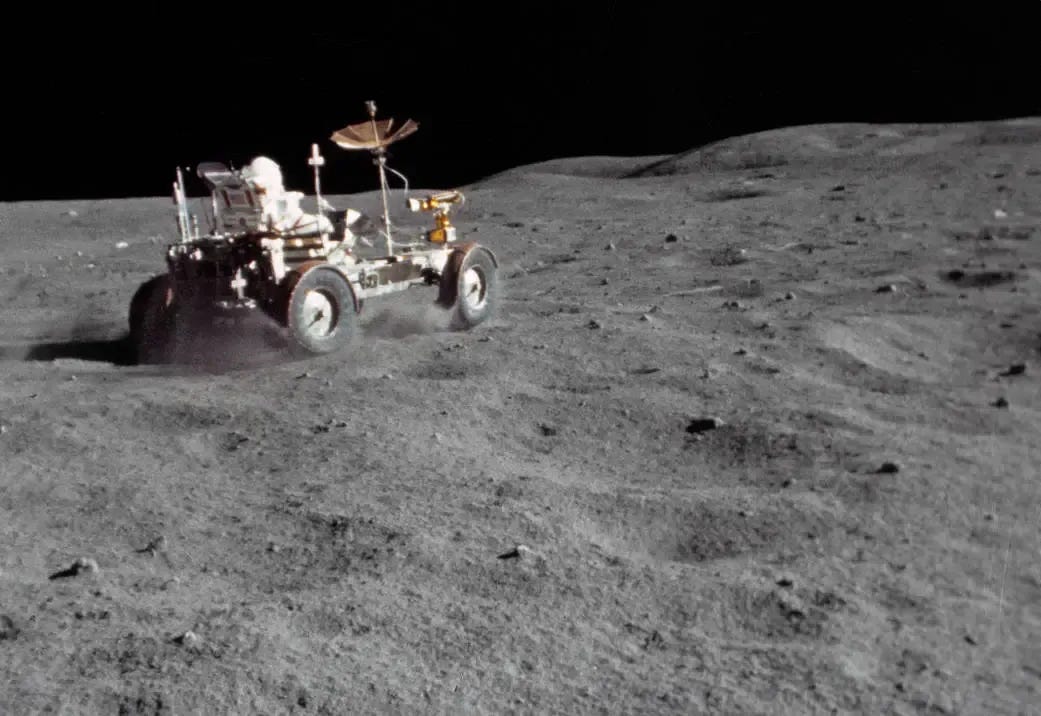
Behind this lighthearted crowdfunding campaign lies a very serious and urgent cosmic bottleneck. Space Mobility is utilizing this project to draw attention to the critical infrastructure needed for humanity to survive on the lunar surface. When a rocket lands on the moon, its powerful exhaust blasts fine, sharp lunar dust outward at supersonic speeds. This dust, known as regolith, acts like sandpaper, shredding spacesuits, clogging delicate machinery, and blasting nearby equipment. Without dedicated launchpads to contain the blast and solid roads to travel on, any permanent lunar base would quickly be ground to dust by its own supply ships.
Building these structures is not as simple as shipping bags of concrete on a SpaceX rocket, which is why companies around the globe are racing to figure out how to bake roads right out of the lunar dirt. A Texas-based startup called ICON has been working with NASA under the Project Olympus initiative to develop a massive 3D printer capable of using lasers or microwaves to melt lunar regolith into hard, durable landing pads and roads. Simultaneously, AI SpaceFactory has been perfecting its own planetary construction techniques, using automated robotic arms to eco-print structures without needing water. These companies are transforming the sci-fi dream of autonomous robotic construction crews into a looming reality.
Ultimately, roads, launchpads, and habitats represent the holy trinity of lunar survival. You cannot build a thriving moon base if your astronauts are constantly trapped inside a dust storm every time a rover drives past. By letting earthlings buy into the dream one hundred dollars at a time, Space Mobility is turning the dusty, perilous future of space travel into something tangible. It turns out that paving the way for humanity’s future doesn’t just take rocket science, it takes a lot of inches and a very long roll of celestial tarmac.