

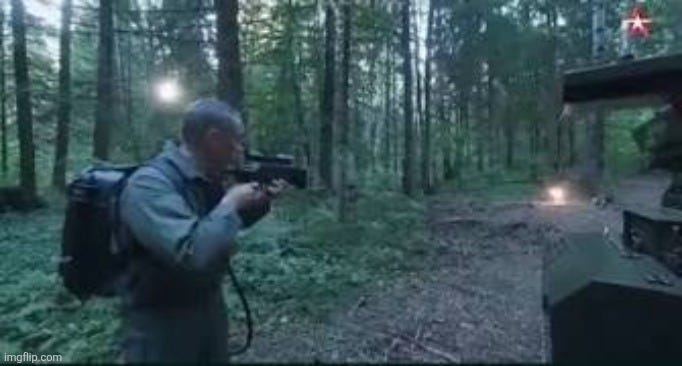
The landscape of directed energy technology has reached a pivotal milestone with the emergence of man-portable systems. For decades, the concept of a functional tactical laser was confined to massive vehicle-mounted platforms or heavy naval installations due to the sheer size of the required power units and cooling infrastructure. The breakthrough arrival of the modern backpack-powered laser system rewrites these constraints, compressing cutting-edge thermal management, energy storage, and optical tracking into a cohesive package that a single person can carry and operate in the field.
At the core of this engineering achievement is a profound advancement in power density. Operating at standard tactical outputs, these systems utilize next-generation lithium-ion battery arrays housed entirely within an ergonomic, reinforced rucksack. Instead of relying on bulky water-chilling units that traditionally anchored high-energy lasers to heavy machinery, these portable systems utilize sophisticated, compact air-cooling mechanisms. This design allows the equipment to maintain thermal equilibrium during rapid deployment cycles, ensuring the device remains reliable without overheating during consecutive operations.
The operational versatility of a wearable laser introduces entirely new strategies for industrial applications and security research. One of its primary conceptual applications is the remote management of hazardous materials and specialized demolition tasks. By focusing a highly concentrated beam of coherent light onto a specific target from a distance, the system can apply precise thermal energy to materials. This process allows for the controlled degradation or thermal stress of a target, facilitating a safer environment for personnel by enabling the management of potential threats from a significant standoff distance.
Beyond material management, the miniaturization of directed energy provides a sophisticated framework for protecting sensitive airspace from unauthorized incursions. While traditional methods of interference can face limitations in varied environments, a light-based system offers high levels of accuracy. The technology is designed to maintain a stable lock on a designated trajectory, delivering energy that can disrupt the structural integrity or the sensitive navigation components of an intruding system. This precision ensures that the target is neutralized effectively, minimizing collateral risks often associated with traditional kinetic methods.
As this technology continues to mature, the focus of development remains on reducing overall system weight while expanding the operational duty cycle. Current variations balance the physics of weight and output, fitting within the load-bearing capacity of an individual operator. By eliminating the reliance on a continuous logistical supply chain of physical consumables, the backpack laser represents a fundamental shift toward sustainable and highly precise operational capabilities on the modern technological frontier.