

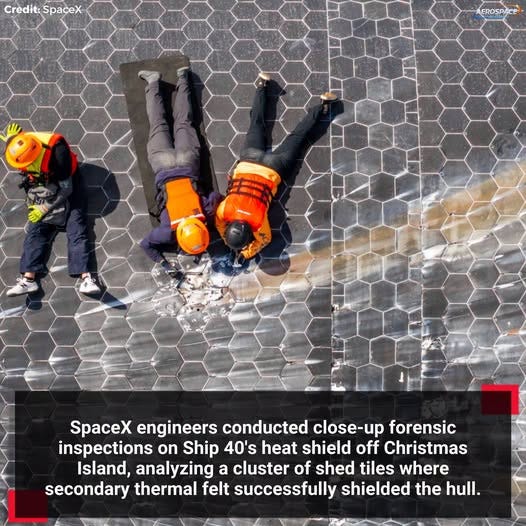
For decades, the dream of rapid and complete rocket reusability was grounded by a single, formidable barrier: the heat shield. Traditional spacecraft relied heavily on ablative heat shields, which literally burned away to protect the vehicle during the scorching friction of atmospheric reentry. These single-use systems required tedious, expensive, and time-consuming replacement after every single flight, making a rapid turnaround impossible. When engineers looked for reusable alternatives, they initially gravitated toward Ceramic Matrix Composites. While these advanced materials possess incredible thermal resistance, they are notoriously complex to manufacture, fragile to handle, and prohibitively expensive. Facing this bottleneck, SpaceX chose to pivot away from the industry standard, charting a radically different path to conquer the fiery trials of orbital return.
To achieve the ambitious goal of launching, landing, and relaunching a massive spacecraft within hours, SpaceX developed a proprietary hexagonal silica tile system for Starship. Instead of relying on the exotic and costly ceramic composites that slowed down past aerospace programs, SpaceX utilized high-purity silica fibers. This material is incredibly lightweight and consists mostly of empty air, which provides an extraordinary thermal barrier that prevents the extreme plasma heat from reaching the stainless steel hull underneath. By shaping these tiles into a tight, interlocking hexagonal honeycomb pattern, the engineers eliminated straight gaps that could allow hot plasma to seep through, ensuring maximum coverage across the belly of the ship.
The true genius of this design lies in its optimization for mass production and rapid maintenance. Rather than treating each heat shield tile as a custom piece of art, SpaceX established a highly automated manufacturing process to churn out thousands of tiles efficiently. Each tile is mounted using a specialized stud-and-pin mechanism that allows for quick installation and individual replacement if damage occurs. This innovative approach directly solves the long-standing economic and logistical nightmares of spaceflight. By transforming the heat shield from a fragile, custom-made bottleneck into a robust, mass-produced product, SpaceX has unlocked the final gate to true operational reusability, bringing humanity closer to a future where traveling to space is as routine as commercial aviation.