

The spectacular success of the modern space age has transformed the void just above our atmosphere into a bustling economic frontier, but this rapid expansion has come with a heavy crowded cost. For decades, launching a payload into orbit was a rare and monumental achievement, yet today, massive constellations of commercial satellites are deployed with routine frequency. While these orbital networks power everything from global communications to environmental monitoring, they have collectively saturated low Earth orbit. As a consequence, satellites that reach the end of their operational lifetimes, or experience catastrophic failures, no longer silently drift without consequence. Instead, they transform into high-speed ballistic hazards, threatening to collide with multi-million-dollar active assets and trigger a chain reaction of debris that could render entire orbital planes completely unusable.
Faced with this looming crisis, a booming and fiercely competitive industry has emerged around the concept of Deorbit-as-a-Service. Rather than leaving dead satellites to slowly decay over centuries, specialized space tugs and active debris removal vehicles are being engineered to hunt down, capture, and safely drag these hazards down into the atmosphere to incinerate. The commercial marketplace is no longer a theoretical concept but a crowded arena of innovative companies vying for lucrative government and private clean-up contracts. Pioneer entities like Astroscale have already demonstrated the intricate choreography required to magnetically capture mock debris in orbit, while ClearSpace has secured major international backing to execute complex, multi-tentacled captures of defunct rocket stages.
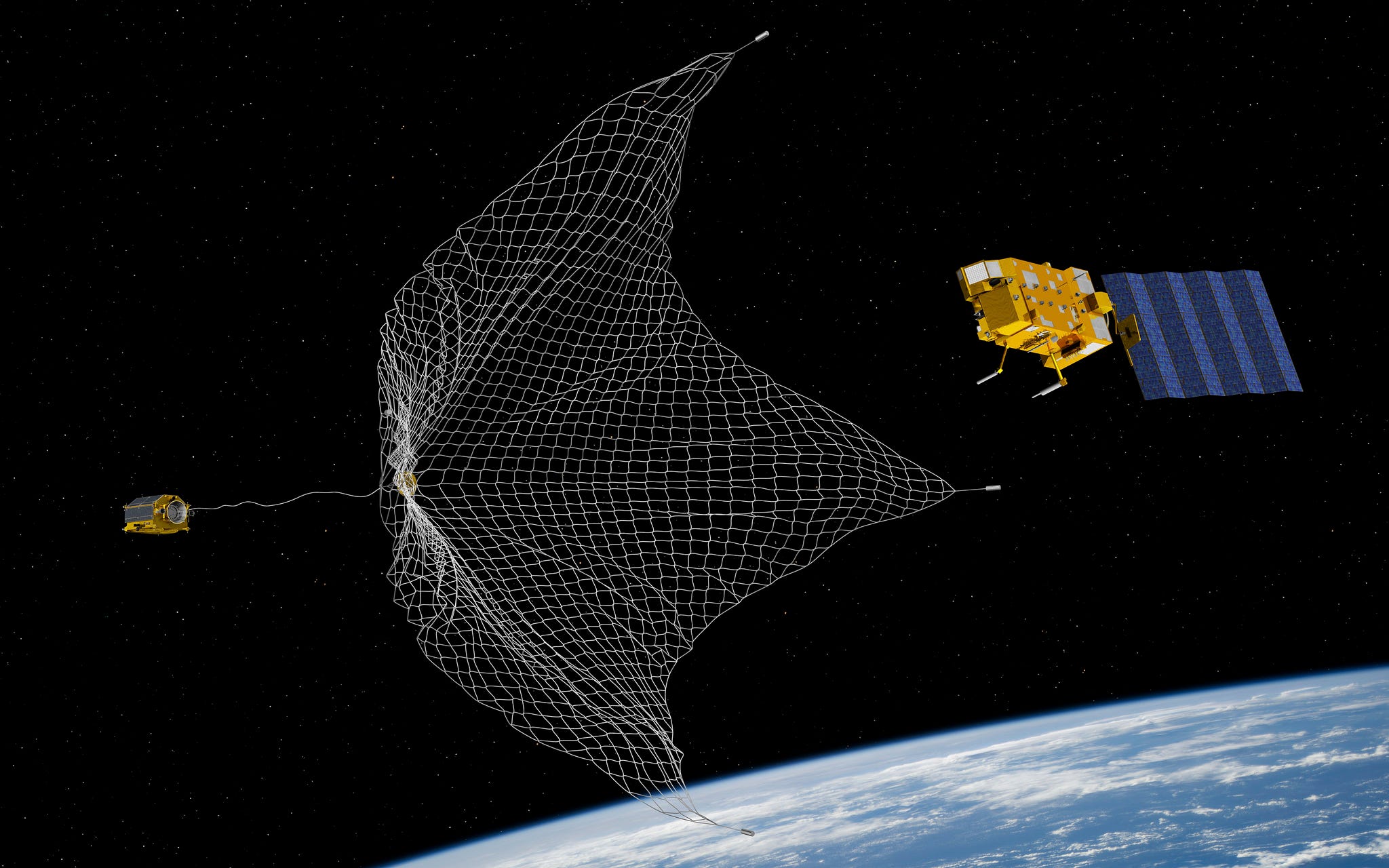
The momentum is accelerating as a wave of new players and defense giants join the fray. Companies like D-Orbit, which originally focused on precisely deploying satellites, are expanding their logistics capabilities to include end-of-life disposal services. Heavyweights in the traditional aerospace sector are also pivoting, recognizing that servicing and disposing of orbital infrastructure will be just as profitable as building it. These newcomers are introducing diverse and exotic capture mechanisms, ranging from robotic gripping arms and specialized harpoons to expansive nets designed to ensnare uncooperative, tumbling targets. The technical challenge is immense, requiring autonomous guidance systems that can match the erratic spin of a dead satellite without causing a catastrophic collision during the docking phase.
This technological surge is being aggressively escalated by sweeping changes to space legislation and international regulatory frameworks. For years, guidelines regarding orbital debris were largely voluntary, allowing operators to leave defunct hardware in orbit for up to twenty-five years. However, regulatory bodies like the Federal Communications Commission have shattered this lenient status quo by implementing strict new rules that mandate the deorbiting of satellites within just five years of their mission completion. Furthermore, governments are beginning to issue unprecedented fines to companies that fail to properly dispose of their aging spacecraft. These shifting legal liabilities have fundamentally changed the financial math for satellite operators, turning active deorbit services from a voluntary environmental gesture into a mandatory cost of doing business and guaranteeing a permanent market for the celestial garbage collectors.