

Low-Earth orbit is becoming a busy and increasingly hazardous place. Tens of thousands of tracked objects—defunct satellites, spent rocket stages, and fragments from past collisions and explosions—share the same altitudes used by active constellations and the International Space Station. Millions more pieces too small to track continuously still pose collision risks. The long-predicted cascade of collisions, sometimes called the Kessler syndrome, remains a concern if the environment is left unmanaged.

For years the main response was mitigation: design satellites to re-enter within 25 years (now tightening toward five years in many jurisdictions), passivate leftover fuel and batteries, and avoid deliberate break-ups. Those rules help limit new debris. They do not remove the large, long-lived objects already on orbit. That task requires active debris removal—sending a spacecraft to rendezvous with, capture, and de-orbit an uncooperative target.

Why Removal Matters Now

The number of active satellites has risen sharply with large commercial constellations. Collision-avoidance maneuvers have increased in parallel. Even small fragments can disable a working satellite; a collision between two large intact objects can generate thousands of new pieces. Removing the highest-risk objects—massive rocket bodies and dead satellites in crowded orbital bands—reduces the probability of future cascade events and protects the usability of key altitudes.

Agencies and companies now treat debris removal as both a safety necessity and an emerging service market. The European Space Agency has adopted a “Zero Debris” ambition for its own missions by 2030 and is funding demonstration flights. National agencies in Japan, the United Kingdom, the United States and elsewhere are awarding contracts for inspection, capture and disposal. Commercial operators of large constellations are also exploring end-of-life services so that satellites can be removed promptly once they finish operations.

Technologies Under Test

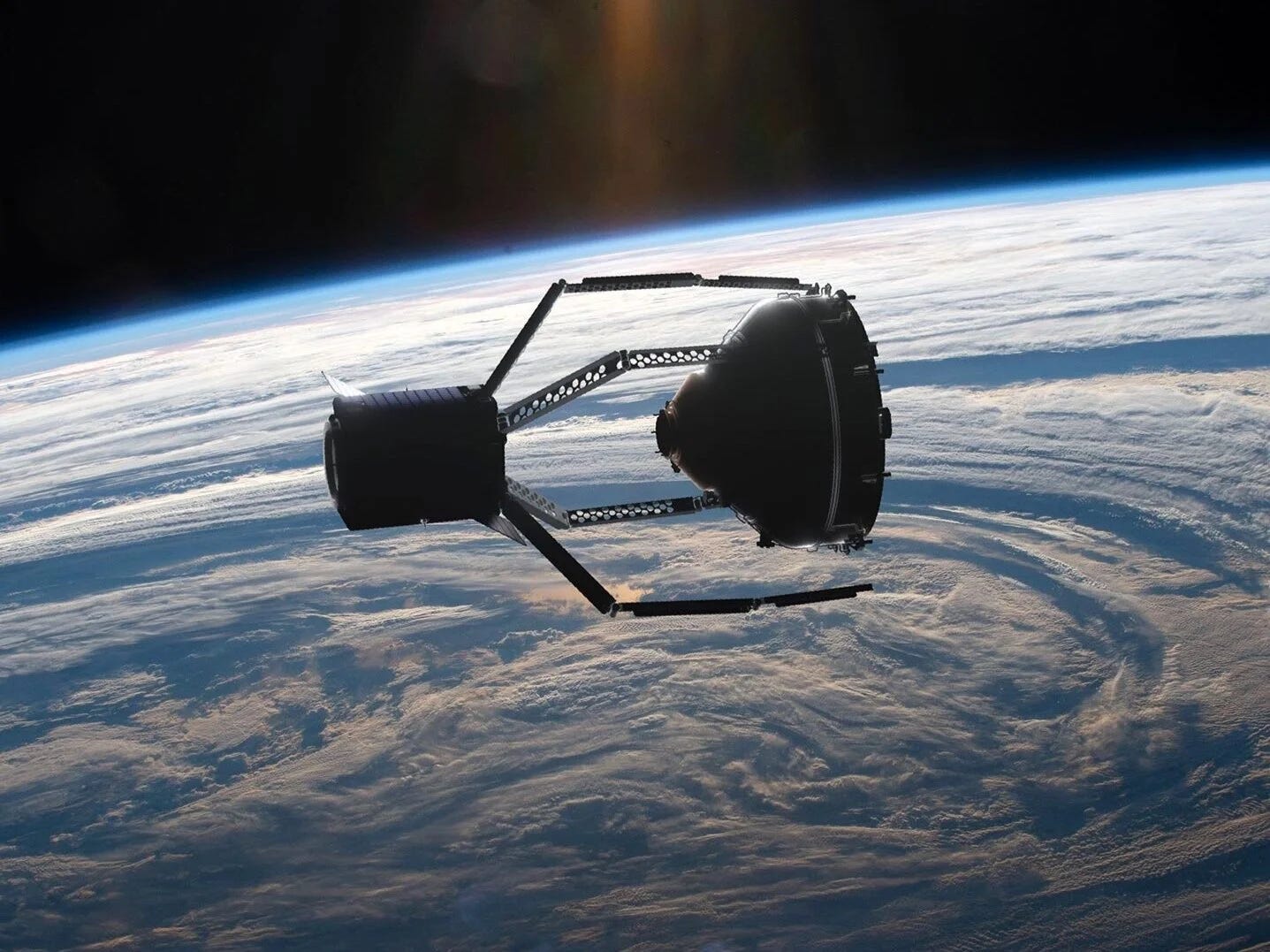
Capture methods vary. Some systems use robotic arms or multi-fingered “claws” to grapple a target. Others rely on magnetic docking with prepared interfaces on client satellites. Nets, harpoons and tether systems have been tested on smaller scales. Once captured, the combined stack is typically guided into a controlled atmospheric re-entry so the debris burns up over an uninhabited ocean area.

Astroscale has flown inspection and docking demonstrations and is progressing toward multi-client removal missions. ClearSpace, under contract with ESA, is preparing ClearSpace-1 to capture and de-orbit an unprepared ESA satellite (PROBA-1) using a robotic capture system; related technology-validation flights are also in development. Other efforts include UK-funded concepts targeting defunct national satellites, U.S. military and civil contracts for disposal services, and various drag-augmentation or propulsion add-ons that help satellites de-orbit themselves more quickly.

These missions are still largely demonstrators. Rendezvous with a tumbling, non-cooperative object is complex. Sensors, guidance algorithms and capture mechanisms must work reliably in the space environment. Fuel budgets, legal liability and insurance remain practical constraints. Nevertheless, the shift from pure research to funded flight projects marks a clear change in maturity.

From Demonstration to Service

The longer-term vision is a marketplace for on-orbit servicing that includes debris removal, life extension, repair and refueling. Removing large debris objects one by one will be expensive; the economic case improves if the same servicing vehicles can also support active satellites. Policy is evolving in parallel—tighter post-mission disposal rules, requirements for tracking and conjunction assessment, and discussions about who pays for legacy debris left by earlier operators.

Success will be measured less by any single spectacular capture than by a steady reduction in the number of high-risk objects and by the routine ability to remove satellites at the end of their lives. The orbital environment is a shared resource. Keeping it usable requires both preventing new debris and cleaning up what is already there. The first dedicated removal missions now moving toward launch will show how practical that cleanup can become.