

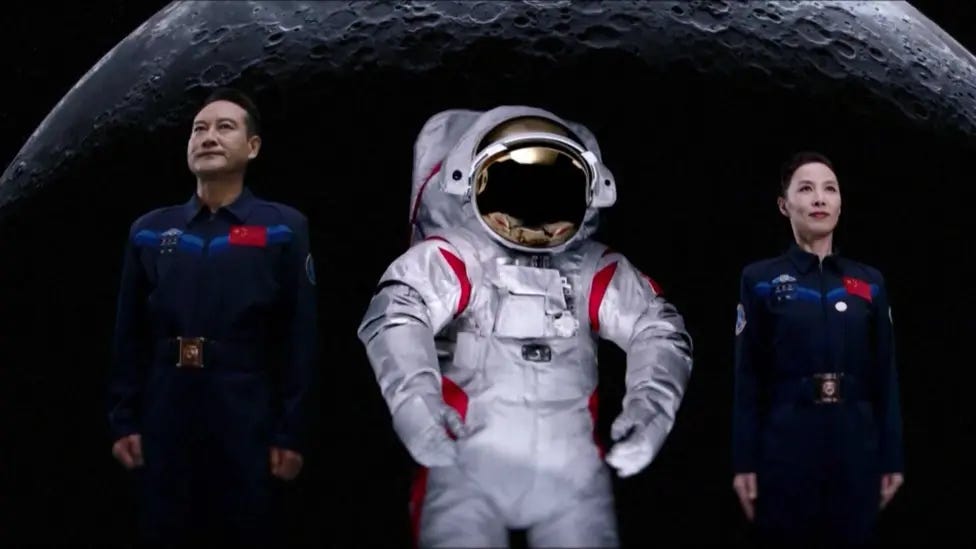
The China Manned Space Agency rdcently achieved a major mikestone in its lunar exploration timeline by unveiling the country’s first custom-designed moon-landing spacesuit, officially named Wangyu. This development marks a critical step forward as the nation aggressively pursues its goal of landing a crewed mission on the moon by 2030.
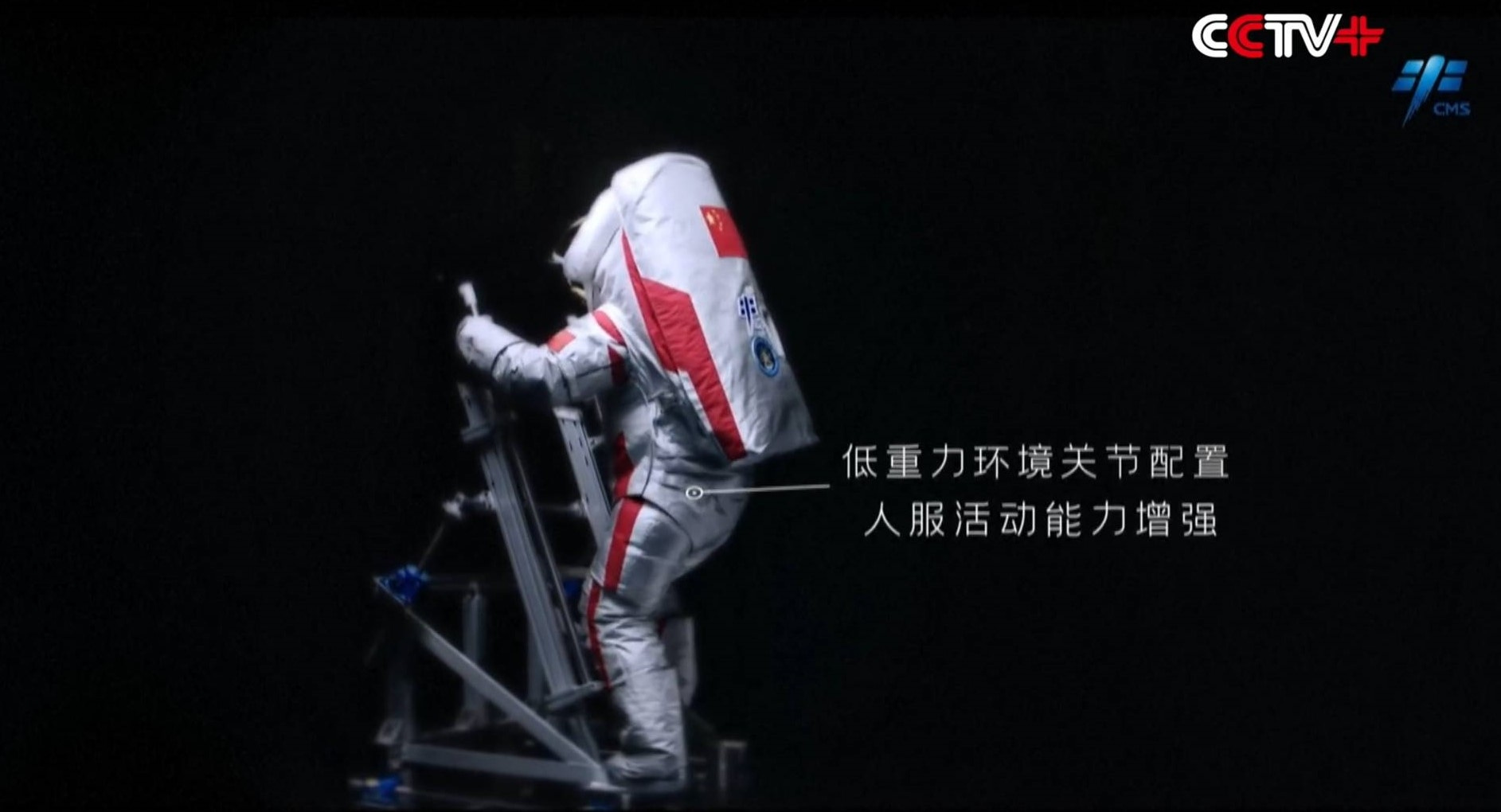
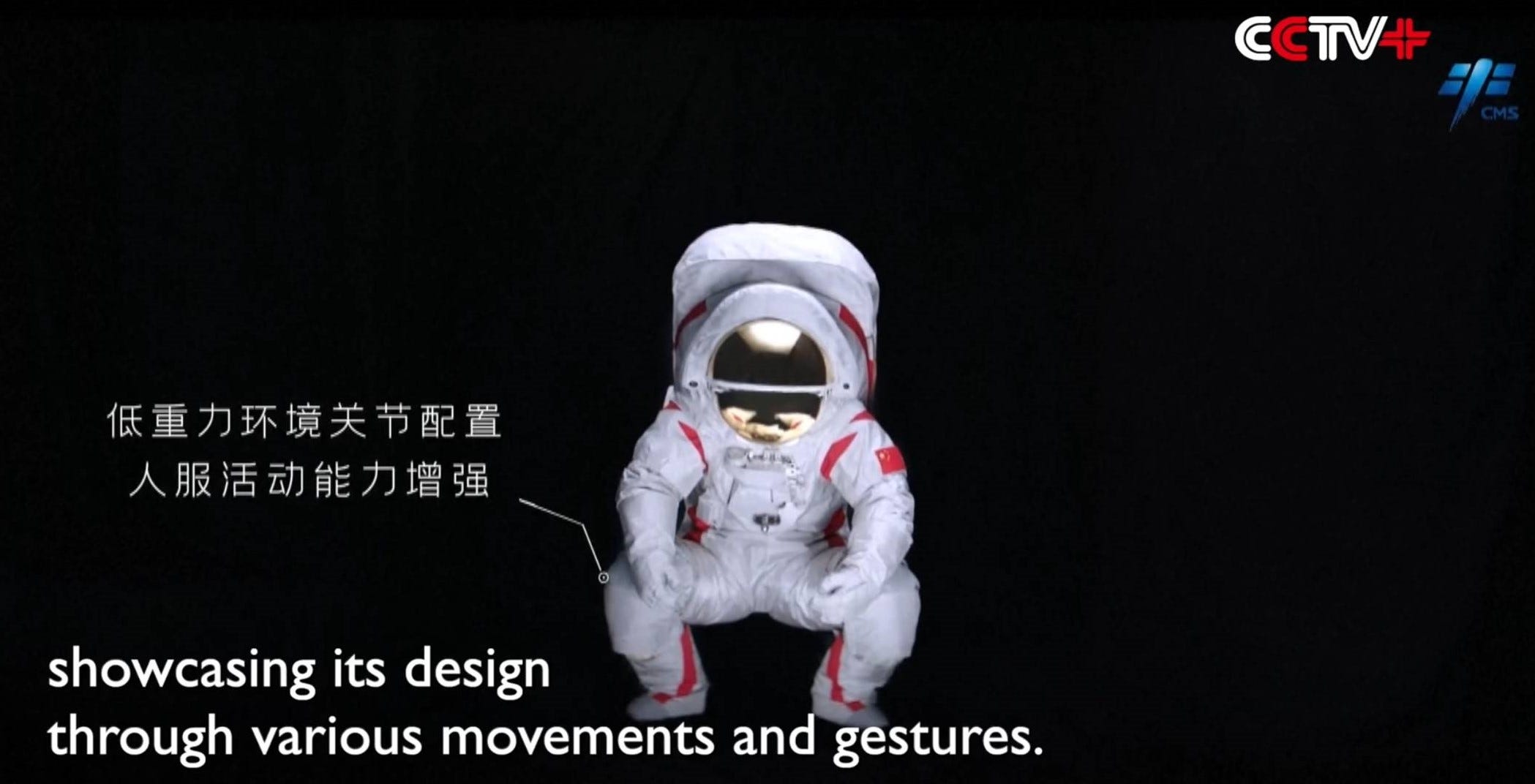
The next-generation suit is explicitly engineered to safeguard astronauts from the hostile conditions of the lunar surface, which lacks a protective atmosphere and experiences dramatic temperature swings alongside constant exposure to harmful solar radiation and abrasive lunar dust. Built to be exceptionally lightweight and compact, the white-and-red gear features specialized joints adapted for low-gravity movement, allowing future moonwalkers to walk, climb ladders, squat, and drive a rover with enhanced flexibility. Technical features integrated directly into the gear include a panoramic glare-proof helmet visor, a multifunctional chest control panel, and dual helmet-mounted cameras designed to record both close-up and long-distance footage during extravehicular operations.
Beyond its technical breakthroughs, the suit prominently incorporates Chinese cultural aesthetics. The red stripes on the upper part of the armor are inspired by the traditional flowing ribbons of the famous flying apsaras from Dunhuang art, while the stripes winding down the legs are meant to mirror the fiery exhaust of a rocket launch. As development of the Wangyu suit smoothly progresses alongside critical mission hardware like the Long March 10 rocket and the Lanyue lunar lander, China continues to cement the foundational technology required to establish its presence on the lunar surface before the end of the decade.
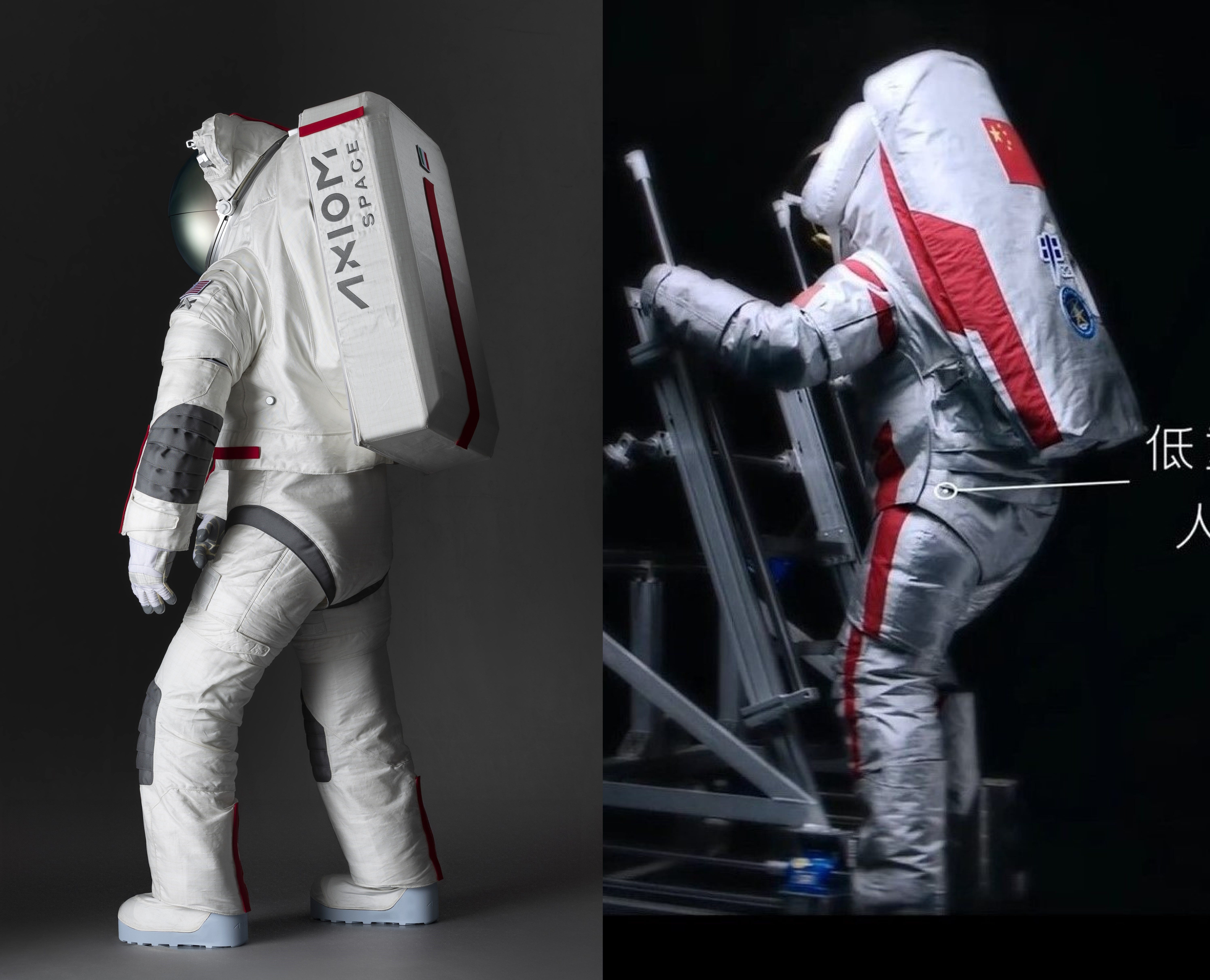
American and Chinese spacesuits