

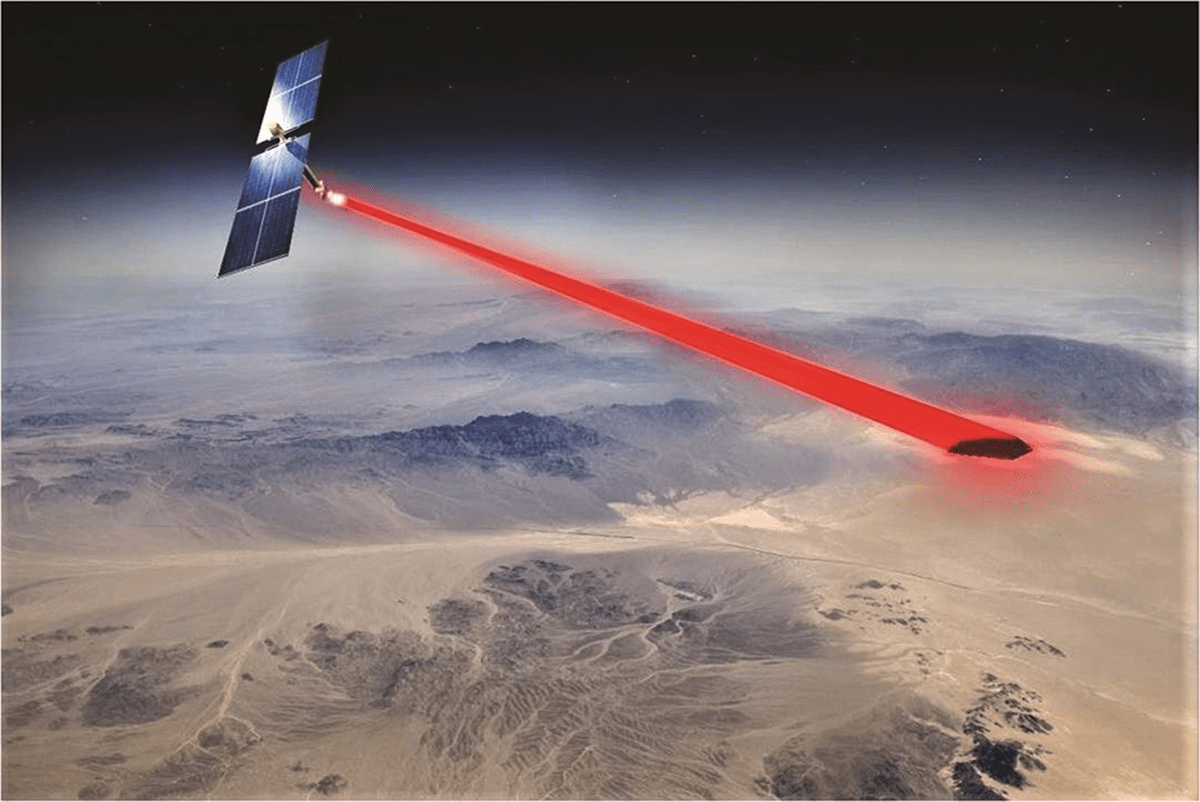
For nearly a century, humanity has dreamed of tapping into an inexhaustible, pristine reservoir of energy located just beyond our atmosphere. The concept of space-based solar power beaming, once confined to the pages of classic science fiction, is rapidly transitioning into a tangible technological frontier. Down on Earth, solar panels battle a frustrating gauntlet of weather, seasonal shifts, and the inevitable onset of night, which severely limits their efficiency.
In the eternal daylight of geostationary orbit, however, the sun never sets. Giant orbital satellites covered in advanced photovoltaic cells could bask in sunlight that is up to eleven times more intense than what reaches the ground, capturing a torrent of clean energy completely unhindered by clouds or darkness.
The magic of this cosmic power plant lies not just in capturing the sunlight, but in how that energy is sent down to Earth. Instead of running a comically long, impossible extension cord through the atmosphere, orbital power stations convert the harvested electricity into high-frequency radio waves or invisible infrared laser beams. These wireless energy beams are precisely targeted at dedicated receiving stations on the ground, often called rectennas, which are essentially massive mesh networks of specialized antennas.
These structures seamlessly convert the incoming microwaves or lasers back into electricity and feed it directly into local power grids. Because the beams can pass right through rain, heavy clouds, and atmospheric haze, they can deliver a steady, uninterrupted baseload supply of green electricity twenty-four hours a day.
Recent technological milestones have breathed serious life into this ambitious concept. Space agencies and private aerospace companies worldwide have successfully demonstrated the core physics of this process in ground and low-orbit tests. In one landmark experiment, a prototype satellite successfully beamed detectable amounts of power down to Earth, proving that the wireless transmission of energy through space is no longer a theoretical gamble.
Furthermore, the global explosion of reusable rocket technology, which has drastically lowered the cost of launching heavy components into orbit, means that deploying arrays of massive, kilometer-wide solar satellites is becoming economically viable for the first time in human history.
Of course, building a power grid in the stars requires overcoming colossal engineering and social hurdles. Assembling structures that are significantly larger than the International Space Station will require autonomous robotic fleets capable of welding, weaving, and maintaining delicate electronics in the harsh vacuum of space.
Scientists must also perfect the steering mechanisms of the power beams to ensure they remain locked onto their ground targets with absolute precision, even while the satellites orbit at thousands of kilometers per hour. Public safety and environmental considerations are equally paramount, requiring rigorous validation to guarantee that the low-density microwave beams are entirely harmless to birds, aircraft, and local ecosystems on their journey down.
The true promise of space-based solar power beaming extends far beyond simply reducing carbon emissions in major cities. It offers a revolutionary form of energy on demand that can be dynamically redirected anywhere on the globe. In the wake of a catastrophic hurricane or earthquake that shatters traditional infrastructure, an orbital satellite could instantly pivot its beam to deliver vital electricity to emergency responders and field hospitals in a matter of seconds.
It could power remote scientific outposts in Antarctica, light up developing regions lacking traditional power grids, and eventually beam energy forward to fuel human outposts on the Moon or Mars. By looking up to the stars to power our world, humanity is on the verge of securing a cleaner, more resilient future for generations to come.